

You want a dog who listens, and you want to get there without yelling or tugging on a leash. Good news: the kindest way to train is also one of the most effective. It comes down to catching your dog doing something right, and rewarding it.
The Benefits of Positive Reinforcement
Builds Trust and Strengthens Bond: Using positive reinforcement fosters a trusting relationship between you and your dog. Your dog learns to associate you with good things, which strengthens your bond and makes training sessions enjoyable for both of you.
Encourages Enthusiastic Learning: Dogs trained with positive reinforcement are typically more eager to learn and participate in training sessions. They enjoy the process and are more motivated to perform well because they anticipate positive outcomes.

The Power Of Positive Reinforcement Dog Training
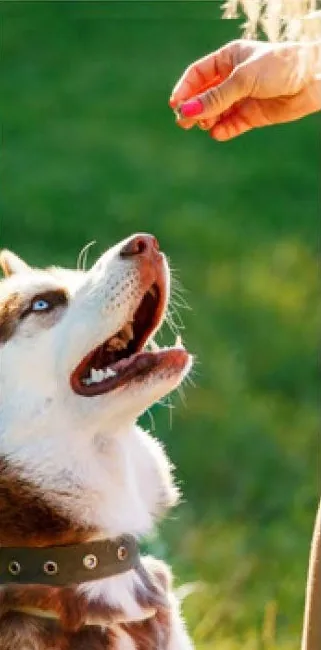
Training your dog can be one of the most rewarding experiences for both you and your furry friend. At the heart of successful training lies the principle of positive reinforcement, a method that not only teaches desired behaviors but also strengthens the bond between you and your dog. Let's delve into the concept of positive reinforcement and how it can transform your dog training journey.
What is Positive Reinforcement?
Positive reinforcement involves rewarding your dog for exhibiting the desired behavior. This reward can be anything your dog finds pleasurable, such as treats, praise, petting, or playtime. The key is to provide the reward immediately after the desired behavior, so your dog makes a clear connection between the action and the reward.
Reduces Fear and Anxiety: Unlike punishment-based training, positive reinforcement does not induce fear or anxiety in your dog. It creates a safe and supportive learning environment, which is essential for effective training.
How to Implement Positive Reinforcement
Identify the Right Reward: Every dog is unique, so it's important to find out what your dog finds most rewarding. This could be a special treat, a favorite toy, or even a belly rub. Experiment with different rewards to see what excites your dog the most.
Be Consistent: Consistency is key in positive reinforcement training. Always reward the desired behavior immediately and consistently. This helps your dog understand what behavior is being rewarded and increases the likelihood of repetition.
Use Clear Cues: Clearly communicate what you want your dog to do by using specific cues. For example, use the word "sit" when you want your dog to sit, and always use the same word for the same behavior. This consistency helps your dog learn and respond more quickly.
Start Simple: Begin with simple commands and gradually progress to more complex behaviors. Starting with basics like "sit," "stay," and "come" lays a strong foundation for more advanced training.
Keep Training Sessions Short and Fun: Dogs have short attention spans, so keep training sessions brief, engaging, and fun. Aim for 5-10 minute sessions multiple times a day to keep your dog focused and motivated.
COMMON MISTAKES TO AVOID
Inconsistent Rewards: Inconsistency can confuse your dog and slow down the training process. Ensure you are always rewarding the desired behavior promptly and every time it occurs.
Using the Wrong Timing: Timing is crucial in positive reinforcement. If you reward too late, your dog may not associate the reward with the desired behavior. Always reward immediately after the behavior.
Overusing Treats: While treats are an effective reward, overusing them can lead to dependency or health issues. Balance treat rewards with praise, petting, and playtime to keep your dog healthy and well-rounded.
Lack of Patience: Training takes time and patience. Avoid getting frustrated if your dog doesn't catch on right away. Stay positive and patient, and your efforts will pay off.
Positive reinforcement is a powerful and effective method for training your dog. By focusing on rewarding desired behaviors, you can build a strong, trusting relationship with your furry friend while promoting enthusiastic and long-lasting learning. Remember to be consistent, patient, and always celebrate your dog's successes.
Posted with permission of: www.dogeareddiaries.com

Training takes patience, and some days it feels like nothing's sticking. You don't have to figure it out alone. Penny DiLoreto is a Certified Professional Dog Trainer (CPDT-KA) and Certified Animal Behaviorist who trains the kind, force-free way, and she offers private in-home training in North San Diego County.